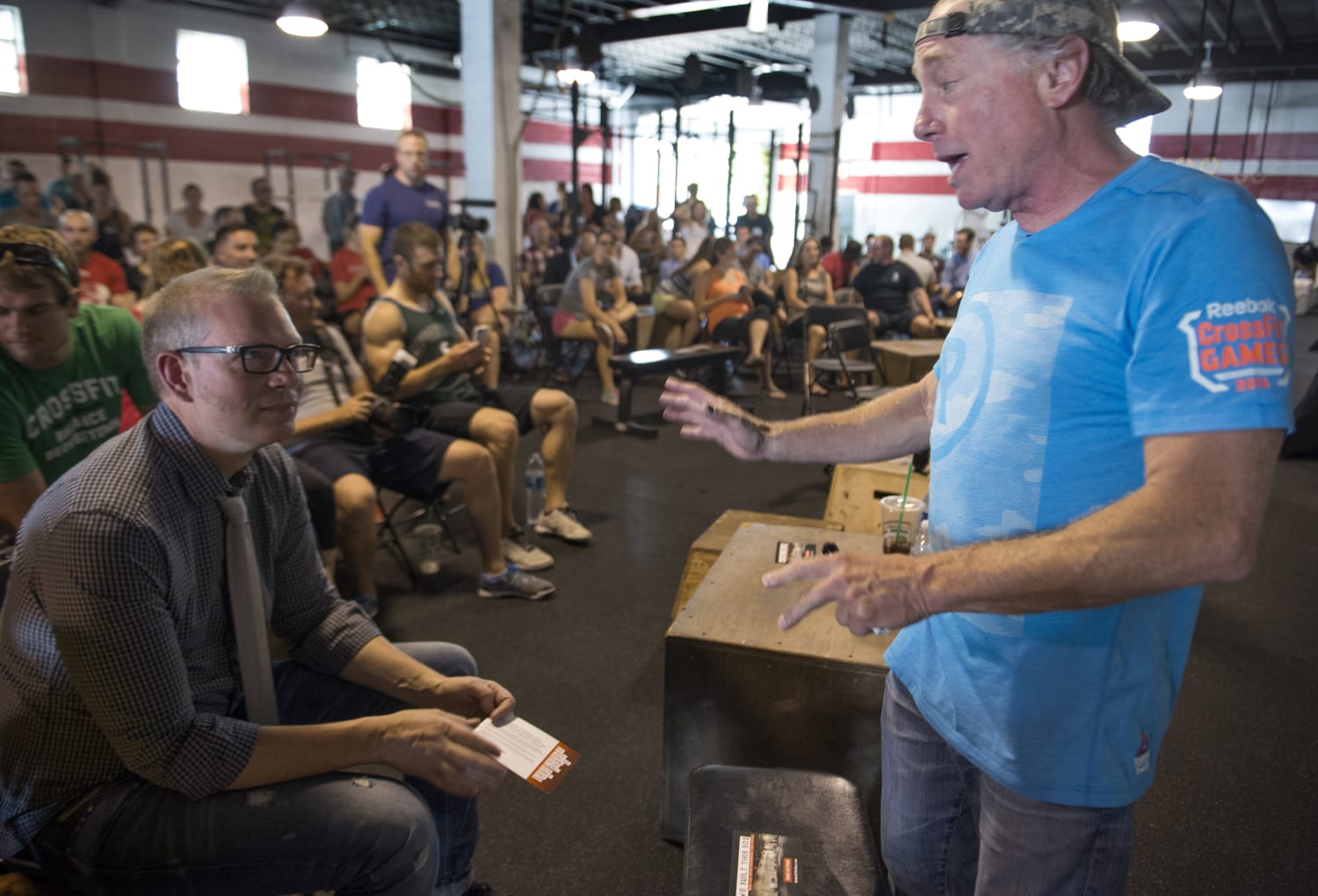
The first time you walk into a box, the sound of barbells dropping, the smell of chalk, and the music blasting can be overwhelming. Everyone seems to know exactly what they're doing while you're trying to figure out where to hang your jacket. It's normal. We've all been there. But some mistakes in the first few months can slow your progress — or worse, lead to injuries that will keep you out of the box for weeks.
Table of contents
Ego lifting: when weight matters more than form
It's your first WOD with a barbell. The whiteboard says "deadlift" and you watch others loading plate after plate. The temptation is strong: put more weight than you can handle so you don't look weak. This is ego lifting, and it's probably the most dangerous mistake you can make.
The problem isn't just the impending injury — though a compromised back can keep you out for months. It's that you're building wrong motor patterns. Every rep with poor technique reinforces habits you'll have to painfully correct later.
The solution? Start light. Always. The empty 20 kg barbell is your best friend. According to CrossFit®, mechanics come first: first you learn the correct movement, then you add consistency, and only then intensity.
Neglecting technique in basic movements
The squat seems simple: you bend and stand back up. But how many can actually do a full squat with chest up, knees tracking over toes, and hips below parallel? Very few at first.
CrossFit® is built on fundamental movements: squat, deadlift, press, pull. If you don't master them, everything else suffers. Want to do muscle-ups? You need solid pull-ups first. Want to do heavy snatches? Your overhead squat position must be impeccable.
What to do:
- Dedicate extra time to basic movements during warm-up
- Ask for coach feedback even when you think you're doing well
- Record yourself and review — you'll see things you didn't feel
- Don't rush to progress to complex movements
Not scaling (or scaling too much)
"RX" becomes an obsession for many beginners. That little symbol next to your name on the whiteboard feels like a badge of honor. But doing a WOD RX with horrible technique and 20 minutes behind everyone else isn't an achievement — it's a mistake.
On the other hand, some scale too much out of fear of effort. They finish WODs without even breathing hard. This won't make you improve either.
Scaling exists to allow you to maintain the intended stimulus of the workout. If the WOD should take 8-12 minutes and you're taking 25, you've missed the training objective. If you finish in 4 minutes without breaking a sweat, same problem.
How to scale well:
- Talk to the coach before the WOD — explain your level
- Choose options that allow you to move with quality
- Aim to finish within the time cap with solid technique
- Never be ashamed of scaling — it's smart, not weak
Skipping the warm-up
You arrive at the box 5 minutes late, the WOD is about to start, and you decide to skip the warm-up so you don't miss the beginning. Classic mistake.
The warm-up isn't optional. It prepares the nervous system, increases muscle temperature, lubricates joints, and activates the motor patterns you'll use in the WOD. Skipping it means starting with the handbrake on — and increasing your injury risk.
If you're late, it's better to do an abbreviated warm-up and skip part of the WOD than the other way around. Your muscles and joints will thank you.
Obsessively comparing yourself to others
You look at the guy next to you lifting twice your weight and feel inadequate. You watch the girl doing 30 consecutive double-unders while you trip on the third and get demoralized. It's human, but it's also a trap.
That person who looks like a beast might have been training for 5 years. Or they have a gymnastics background. Or they're simply genetically gifted for certain movements. Comparison only makes sense with yourself from yesterday.
The beauty of CrossFit® is that your score only matters to you. Whether you finish first or last, the relative intensity to your level is what counts. Someone who finishes last while giving their all has had a better workout than someone who finishes first without trying.
Ignoring recovery
The enthusiasm of the first few months can be overwhelming. You want to go to the box every day, sometimes twice a day. You feel guilty when you rest. This approach is the fastest road to overtraining.
Muscle doesn't grow during training — it grows during recovery. If you don't give your body time to adapt, you won't improve. Worse: you'll accumulate fatigue, the nervous system will burn out, and performance will drop.
For beginners, 3-4 sessions per week are more than enough. Sleep is as important as training. And active rest days — walking, stretching, mobility — are an integral part of the program, not wasted time.
Expecting immediate results
After a month of CrossFit®, you look in the mirror expecting to see chiseled abs. You don't see them. You weigh yourself and the number is the same. You get discouraged.
The most important changes in the first months are invisible: the nervous system is learning new patterns, tendons are strengthening, aerobic capacity is improving. Aesthetic results come later — much later.
Also, CrossFit® isn't a crash diet. It's a lifestyle change. Those who achieve lasting results are those who stay consistent for months and years, not those who destroy themselves for 4 weeks and then quit.
How to stay motivated:
- Keep a journal of your workouts and weights used
- Celebrate small wins: your first pull-up, 5 kg more on back squat
- Don't obsess over the scale — look at how you feel and perform
- Find your community in the box — friends will keep you accountable
Every experienced athlete you see in the box has made these mistakes. The difference is they recognized and corrected them. Following a structured program can help you avoid many of these pitfalls, giving you a logical progression instead of improvising.
CrossFit® is a journey, not a destination. The first few months are the hardest but also the most rewarding — every week you'll do something that seemed impossible the week before. Enjoy the process, trust the method, and most importantly: don't rush. Results come to those who stay.