You wake up in the morning already feeling tired. That pre-WOD coffee has become a non-negotiable ritual. Reps that used to feel easy now seem twice as heavy. Progress has stalled even though you're following a structured program. Before reaching for a new supplement or adding extra training sessions, have you considered that the problem might be what happens when you close your eyes?
Table of contents
What happens when you sleep
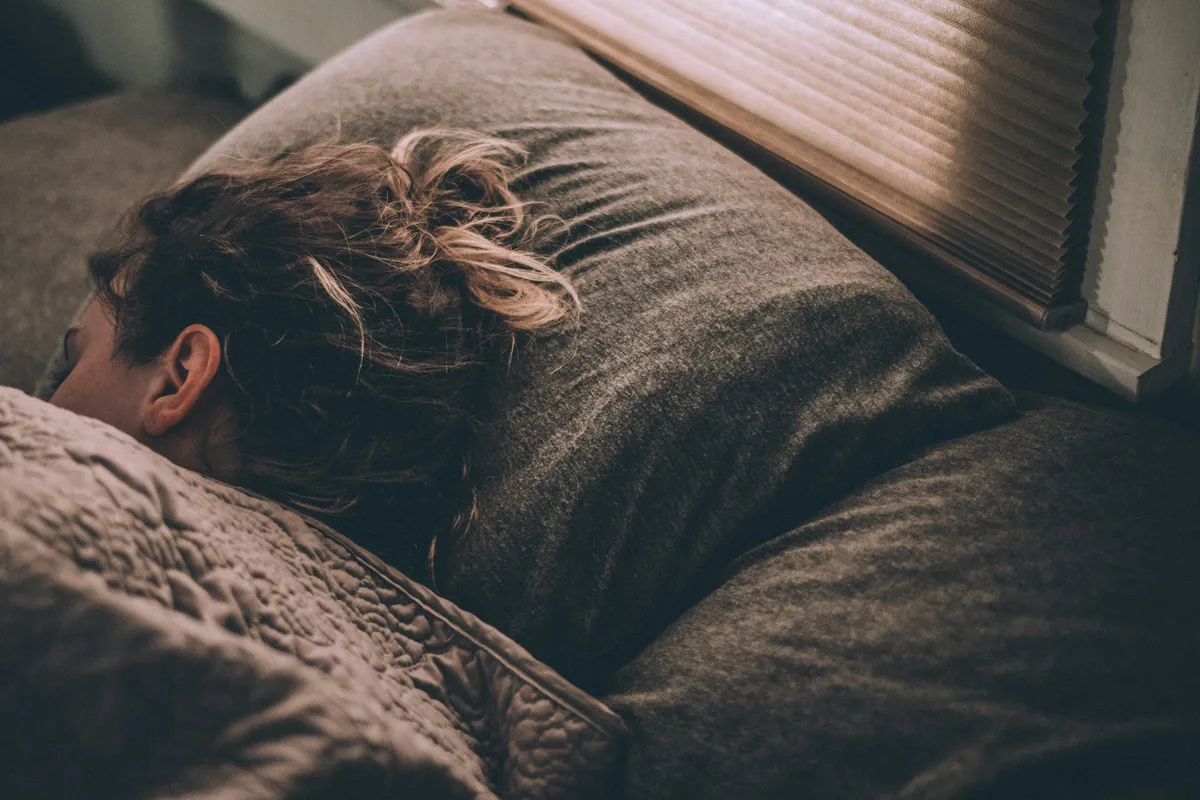
Sleep is not a passive moment when the body "shuts down." It's the exact opposite: it's when most of the repair and adaptation work happens. While you sleep, your body is building what you broke down during training.
During the night, you go through approximately 90-minute cycles alternating between light sleep, deep sleep, and REM sleep. Each phase has specific functions:
- Deep sleep (stages 3-4): this is where physical regeneration happens. Damaged muscle fibers are repaired, glycogen is restored, the immune system strengthens
- REM sleep: the brain consolidates motor memory. Those muscle-ups you're learning? It's during REM that the movement pattern gets "saved" in your nervous system
- Light sleep: transition between phases, prepares the body for deeper cycles
Every time you cut your night short, you're literally stealing time from your body to complete these processes. And no amount of coffee or pre-workout can compensate.
How much sleep do you really need
The answer varies from person to person, but research is clear: for those who train intensely, 7 hours is the absolute minimum. Most athletes perform better with 8-9 hours. According to a study published in the British Journal of Sports Medicine, athletes who sleep less than 8 hours have a 1.7 times greater injury risk compared to those who sleep more.
It's not just about quantity. Quality matters equally. 8 hours of fragmented sleep, interrupted by phone notifications or a room that's too warm, is worth less than 7 hours of continuous, deep sleep.
Elite athletes know this well. Many CrossFit® Games competitors treat sleep like a training session: planned, tracked, optimized. It's no coincidence that champions like Mat Fraser have always spoken openly about the importance of their 9-10 hours of sleep.
Sleep and hormones: the chemistry of growth
During deep sleep, the pituitary gland releases growth hormone (GH). This hormone is essential for:
- Protein synthesis (muscle building)
- Repair of damaged tissues
- Fat metabolism
- Joint and tendon recovery
The GH peak occurs in the first hours after falling asleep, during deep sleep phases. If you go to bed late and wake up early, you're cutting exactly the window when this hormone is released the most.
Testosterone follows a similar pattern. Levels are highest in the morning precisely because they're restored during the night. Less sleep means less testosterone, which translates to reduced capacity to build muscle mass and recover from workouts. As we explain in the article about training less but better, recovery is an integral part of the adaptation process.
Effects of sleep deprivation
Just a few nights of insufficient sleep are enough to see the effects:
Physical performance
- Reduced maximum power output (5-15%)
- Slower reaction times
- Compromised coordination
- Reduced endurance
- Increased perception of effort (the same WOD feels harder)
Recovery
- More intense and prolonged DOMS (muscle soreness)
- Greater systemic inflammation
- Slower recovery between sessions
- Increased injury risk
Mind and motivation
- Difficulty concentrating
- Lower pain tolerance
- Irritability and mood decline
- Increased cravings for high-calorie foods
- Reduced decision-making ability
That day when you can't complete a movement that normally comes naturally? It might not be a technical problem — it might be that you didn't sleep enough to let your nervous system recover. A good warm-up routine helps, but it can't replace sleep.
Strategies for better sleep
Create an optimal environment
- Temperature: the room should be cool, between 64-68°F (18-20°C). The body needs to lower its core temperature to fall asleep
- Complete darkness: even the minimal light from a digital alarm can disrupt melatonin production. Use blackout curtains or a sleep mask
- Silence: earplugs or white noise if you live in a noisy environment
Pre-sleep routine
- No screens: blue light from phones and computers suppresses melatonin. Disconnect at least 30-60 minutes before bed
- Consistent schedule: go to bed and wake up at the same time, even on weekends. The circadian rhythm loves regularity
- Relaxing rituals: reading, light stretching, meditation. Signal to your body that it's time to wind down
What to avoid
- Caffeine after 2 PM: caffeine's half-life is 5-6 hours. That 4 PM coffee is still in your system when you go to bed
- Alcohol: it might help you fall asleep but destroys REM sleep quality
- Heavy meals: digestion requires energy and can disrupt sleep. Light dinner and at least 2-3 hours before bed
- Late high-intensity workouts: a 9 PM WOD might seem convenient, but adrenaline and cortisol will remain elevated for hours
Sleep and training: a two-way relationship
Sleep improves training, but training also improves sleep — when done correctly. Regular physical exercise is one of the most effective ways to improve sleep quality. The trick is in the timing.
Morning or early afternoon workouts tend to promote better sleep. This is because they allow cortisol (the stress hormone elevated by training) to naturally decrease throughout the day.
If you can only choose evening sessions, consider slightly reducing the intensity or choosing more strength-based workouts rather than intense metabolic WODs. Squat or deadlift work is less stimulating to the nervous system than a chipper with burpees and box jumps.
Remember: sleep is not wasted time. It's an integral part of the adaptation process. You don't get stronger during the WOD — you get stronger while you sleep, when your body adapts to the stress you've imposed on it. Following a structured program without taking care of recovery is like building a house and forgetting the foundations.
Next time you think about sacrificing an hour of sleep to watch Netflix or scroll Instagram, remember: you're literally choosing between your PR and a TV show. Your body doesn't lie. If you want real progress, start tonight. Turn off your phone, dim the lights, and go to bed an hour earlier than usual. The results will show in your next WOD.