The barbell sits on the floor, loaded. You step up, grab the bar, feel the cold steel against your palms. A deep breath, core locks in, and you pull. When the barbell clears your knees and you reach lockout, there's a feeling only those who deadlift know: you just picked something heavy off the ground. No assistance, no bounce, no tricks. Just you against gravity. The deadlift is the most primal and honest movement in the gym — and that's why it remains the undisputed king of the fundamentals.
Table of contents
Why the deadlift is the king of fundamentals
The deadlift recruits more total muscle mass than any other exercise. The entire posterior chain — glutes, hamstrings, spinal erectors — plus quads, core, lats, traps and forearms. It builds real-world strength, the kind that transfers to daily life and every other lift.
In CrossFit®, the deadlift is everywhere. You'll find it as a strength piece in sessions, as a component of classic WODs (Diane: 21-15-9 deadlifts and handstand push-ups), and as the foundation for more complex movements like the clean and snatch. Without a solid deadlift, those Olympic lifts are already compromised from the start.
Here's something worth noting: according to CrossFit® standards, mastering the deadlift is one of the first goals for any beginner. Not because it's easy, but because it teaches you to manage load safely — and that's the foundation of everything.
The setup: where everything is decided
90% of failed or poorly executed deadlifts are decided before you even pull. The setup is everything. Get it wrong and you start at a disadvantage, waste energy and risk your back. Here's how to build a solid setup.
The feet
Shoulder width, toes slightly turned out. The bar should sit about 1 inch from your shins — essentially over the middle of your foot. Too far away and your shoulders tip forward. Too close and your knees block the bar path. Foot position dictates everything else.
The grip
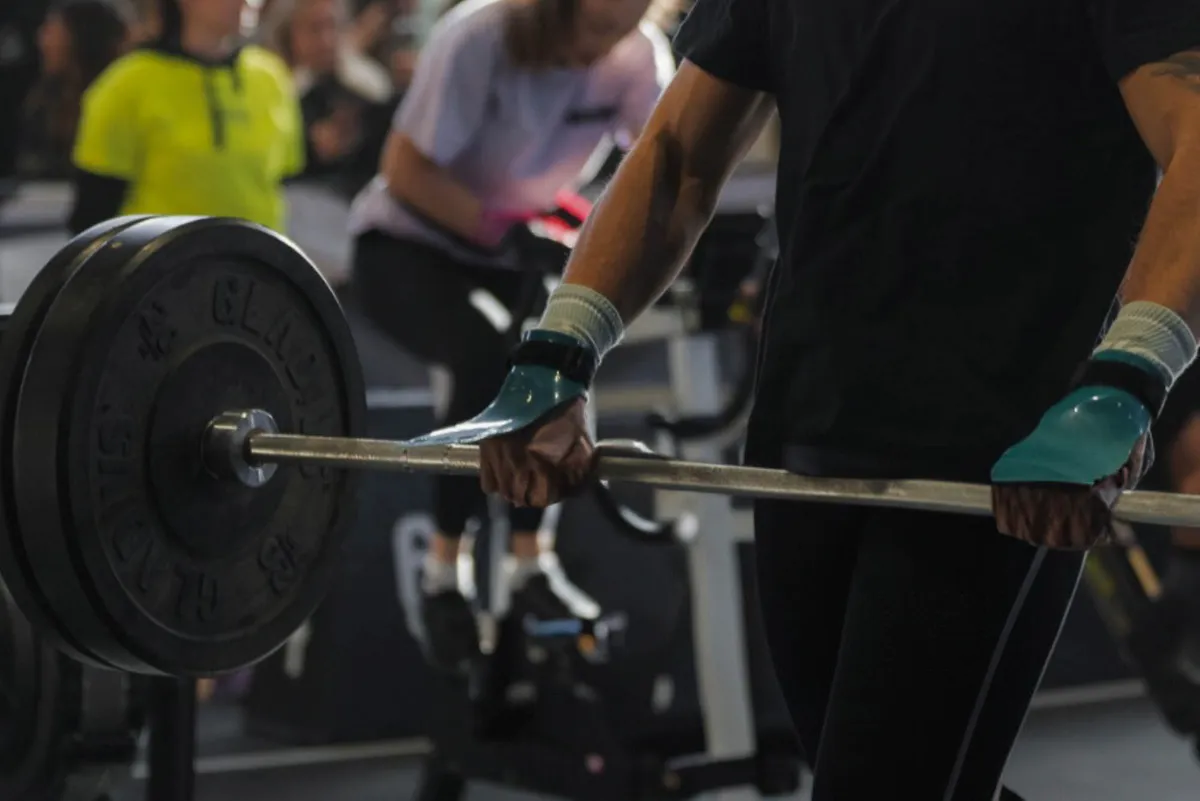
Double overhand is the standard grip. When the weight gets heavy, many switch to mixed grip (one hand over, one under) or straps. Mixed grip: be mindful of the supinated arm's rotation, which can create imbalances over time. For competitors, it's worth training the hook grip — thumb under the fingers. It hurts for the first few weeks, then becomes second nature.
The starting position
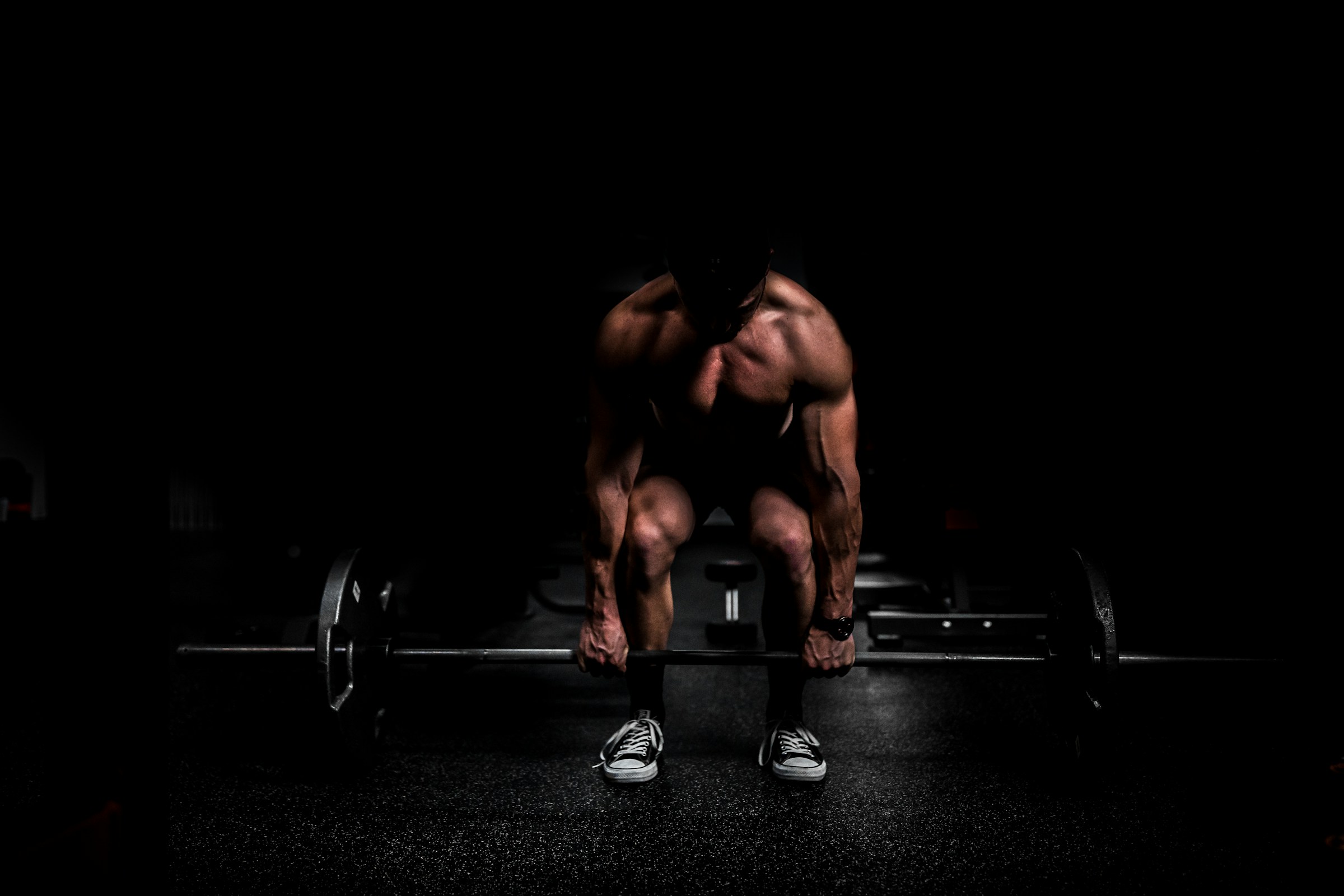
Here's the heart of the setup. The hips sit higher than a squat but lower than a Romanian deadlift. Shoulders are slightly in front of the bar. The back is rigid — not flat like a table, but in a neutral position with natural curves maintained. Chest is open, gaze forward or slightly down.
A key cue: before you pull, "take the slack out" of the bar. Pull gently until you feel tension in your arms and core, without actually moving the plates. This eliminates that moment of slack that causes jerking and loss of position.
The mistakes holding back your progress
If your deadlift has been stuck at the same weight for months, there's probably a technical error holding you back. Here are the most common ones:
- Rounded back — The number one mistake. When the load is too heavy or the setup is rushed, the lower back rounds. The risk is a lumbar disc injury. The fix isn't slapping on a belt and pulling anyway: it's dropping the weight, strengthening the core and working on position. A proper warm-up and mobility routine before heavy pulling makes all the difference
- Hips shooting up too early — You start the pull and your hips shoot up before the bar moves. Result: the deadlift turns into a "good morning" with a barbell. This happens when the legs don't do enough work in the initial phase. Think "push the floor away" instead of "pull the bar up"
- Bar drifting away from the body — The barbell should travel close to your legs the entire way up. If it drifts even a few centimetres, the lever arm increases and the load on your back spikes. Scraped shins? Part of the game. Long socks and move on
- Pulling with the arms — Your arms in the deadlift are steel cables: they connect your body to the bar, but they shouldn't bend. Bending the elbows under load is the fast track to a bicep tear. Arms straight, always
- Hyperextension at the top — At lockout, some people lean back excessively. Just stand tall — hips and knees fully extended, shoulders over hips. No forced back arch
The variations that matter
The conventional deadlift is the foundation, but it's not the only way to pull. Variations target specific weaknesses, work different muscles and break through plateaus.
Sumo deadlift
Wide stance, hands inside the knees. It reduces the range of motion and shifts the load distribution: more quads and adductors, less lower back. For those with a long torso or hip mobility issues, it can be a more mechanically advantageous position. In powerlifting it's extremely common; in CrossFit® you see it less but it's an excellent training tool.
Romanian deadlift (RDL)
You start from the top, hinge at the hips while controlling the descent until you feel tension in the hamstrings, then drive back up. The knees stay slightly bent but don't bend further. It's the king of posterior chain accessories: hamstrings and glutes work under exceptional tension. Essential for anyone who wants a stronger deadlift and better hip extension in the clean.
Deficit deadlift
Pulling from a 1-2 inch platform. This increases the range of motion and challenges the starting position. If your weak point is breaking the bar off the floor, the deficit forces you to work longer in the most disadvantageous position. It's brutal, but it works.
Trap bar deadlift
The trap bar (or hex bar) lets you stand in the centre of the load instead of behind it. Less stress on the lower back, more quad involvement. Great for beginners learning the pulling pattern or athletes who want to load heavy with less risk. Some competitor programs use it in strength cycles as a strategic variation.
The deadlift doesn't need fancy introductions or special effects. It's a barbell on the floor and the challenge of picking it up. But behind that simplicity lies a world of technical details that separate those who deadlift well from those who just deadlift. Invest time in the setup, fix your mistakes with honesty, use variations to hit weak points. And if you're looking for a structured program that integrates the deadlift into your progression, it's the smartest way to keep adding plates to the bar without paying the price with your back.