There's a barbell sitting on the squat rack, and you already know what's coming. The back squat is the one movement you can't avoid if you want to get genuinely strong. It won't make the viral reels, it doesn't look flashy, but ask any serious coach: if they could pick just one exercise to build an athlete, they'd probably pick this one. The problem is that too many people squat for years without ever questioning their setup — then wonder why progress stalls.
Table of contents
Why the back squat is the king of all exercises
The back squat isn't just a leg exercise. It's a full-body movement that engages quads, glutes, hamstrings, spinal erectors, abdominals, and even the upper back which has to stabilize the barbell. When you squat heavy, there isn't a muscle in your body that gets a free pass.
CrossFit® includes it among the nine foundational movements of its methodology. For good reason: the squat is the most natural motor pattern a human being has. A two-year-old squats perfectly — flat feet, knees out, chest tall. We adults simply forgot how to do it after years of sitting in chairs for hours on end. Rediscovering the fundamentals often starts right here.
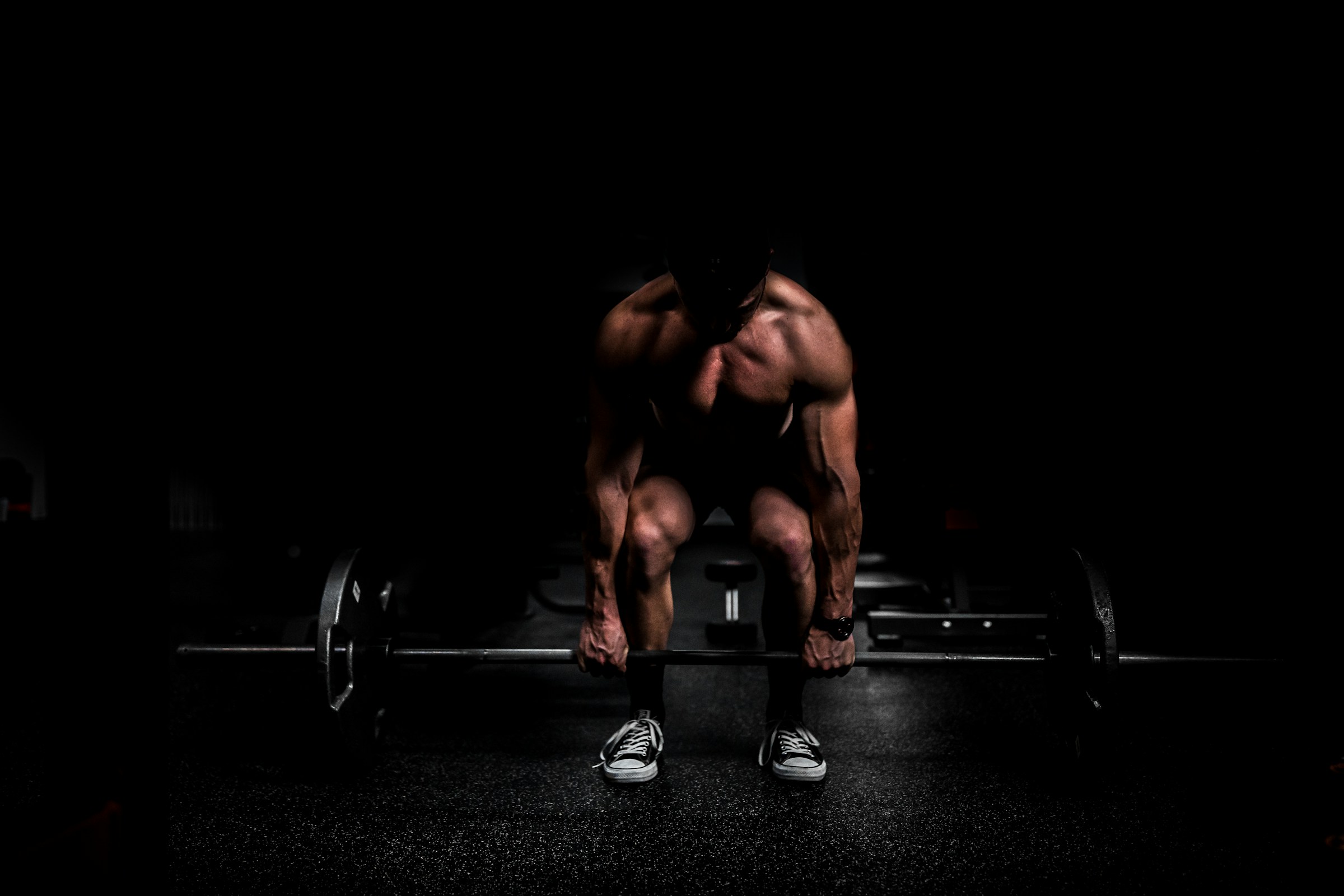
Compared to the deadlift, the back squat works the quads more and demands greater ankle and hip mobility. The two exercises are complementary: if you only do one, you're leaving gaps in your development. Together, they build a strength foundation that transfers to virtually everything — from wall balls to thrusters, from rowing to HYROX.
High bar or low bar: which position to choose
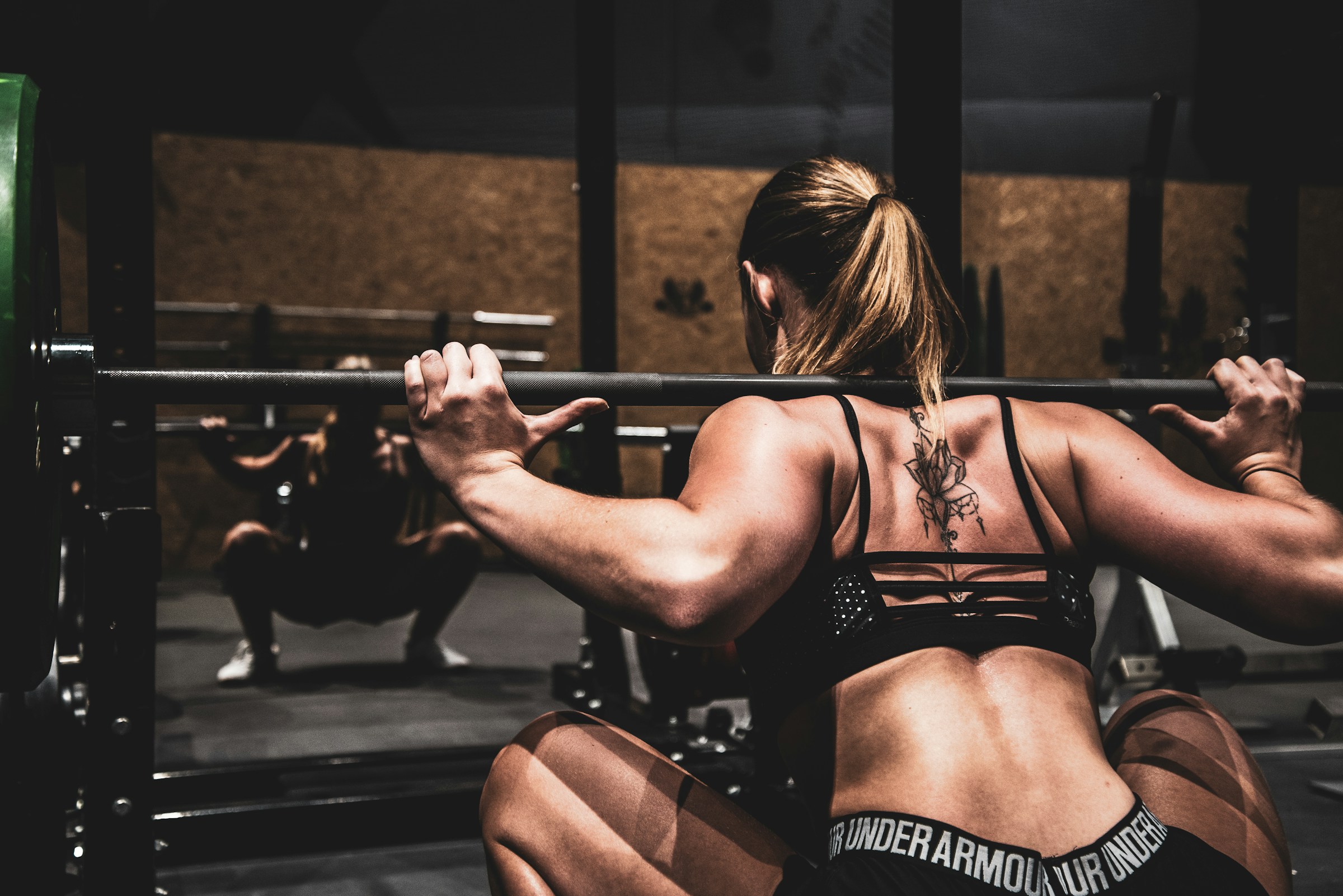
This is the question that divides boxes and gyms. In the high bar position, the barbell sits on the upper traps, high on the shoulders. In the low bar position, it slides down a few centimeters and rests on the rear delts, roughly at the level of the scapular spines.
High bar is the standard in CrossFit® and Olympic lifting. It allows a more upright torso and a deeper squat — essential if you need to transfer your squat to cleans and snatches. Low bar, favored in powerlifting, tilts the torso slightly forward and recruits more of the posterior chain. It generally allows heavier loads because the leverage is more favorable.
The practical rule? If you do CrossFit® and need to carry your squat over to Olympic lifts: high bar. If your goal is to move the heaviest number possible: low bar. If you're unsure, start with high bar — it's more intuitive and more forgiving of posture mistakes.
The perfect setup: step by step
The squat begins before the barbell even leaves the rack. A solid setup makes the difference between a clean rep and one that throws you off balance in the first inch.
- Position under the bar — step up to the bar, place yourself underneath with feet shoulder-width apart, squeeze your shoulder blades together to create a muscular "shelf." The bar doesn't rest on your spine — it rests on muscle
- Grip — hands as narrow as possible without wrist pain. A tight grip keeps your shoulder blades retracted and your chest up. If shoulder mobility prevents this, work on mobility alongside your squat work
- Unracking — one step back, two at most. Every extra step is wasted energy. Feet slightly turned out (about 30°), weight distributed across the entire foot — from heel to forefoot
- Breathing and bracing — take a deep diaphragmatic breath, not a chest breath. Brace your abs like you're about to take a punch to the stomach. This "bracing" protects the spine and lets you transfer force efficiently
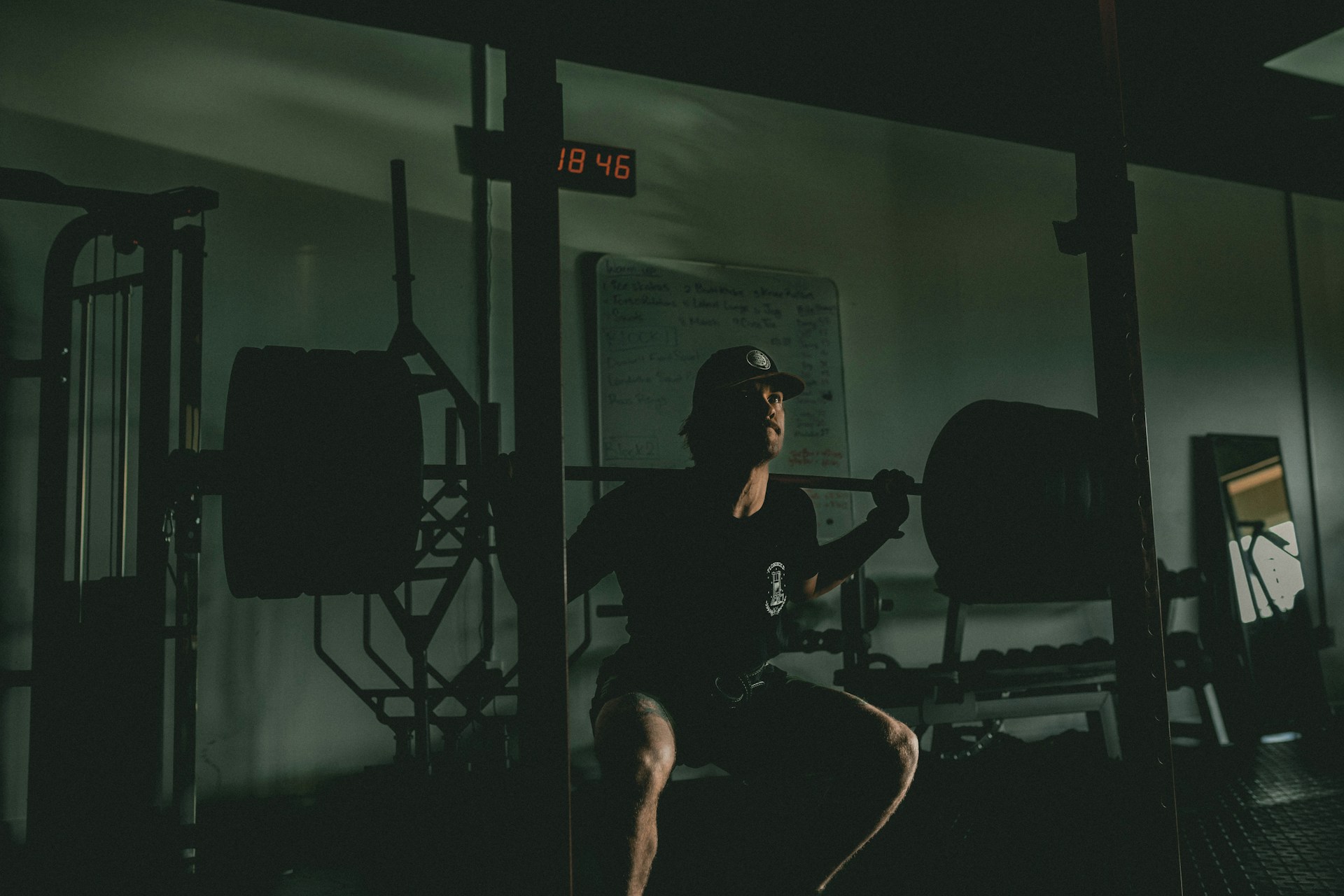
- The descent — begin by bending knees and hips simultaneously. Knees track over the toes. Descend until the hip crease passes below the knee (below parallel). Keep your chest up and gaze straight ahead, not upward
- The drive up — push the floor away from you. Feet don't rise, don't shift, don't rotate. Exhale through the effort. Knees stay out — if they collapse inward, the weight is too heavy or technique needs fixing
The mistakes holding back your progress
After years watching hundreds of squats in boxes, certain mistakes come back with almost comforting regularity. Here are the ones you'll see most often:
- The "butt wink" — the pelvis tucking under at the bottom of the squat, rounding the lower back. It's often an ankle or hamstring mobility issue, not a technique problem. Working mobility outside the rack solves more problems than a thousand verbal cues
- Knee cave — knees collapsing inward (valgus) during the drive up. It's a sign of weak glute medius. Accessory work like banded squats or monster walks helps enormously
- Heels lifting — if your heels leave the floor, ankle mobility is insufficient. Temporary fix: weightlifting shoes or plates under the heels. Real fix: daily calf and soleus stretching
- Dropping too fast — a controlled descent is what builds strength. Letting yourself crash down wastes the eccentric phase and stresses joints and ligaments. Count 2-3 seconds on the way down
- Not hitting depth — a half squat is not a squat. Below parallel or it doesn't count. If you can't hit depth at a certain weight, strip the bar and work on mobility. Ego lifting is the number one enemy of progress
How to actually progress on the back squat
Adding weight every week works — for the first few weeks. Then progress slows and you need a strategy. Here's what works over time:
- Linear progression — if you're a beginner (less than a year of serious training), add 2.5 kg every session or every week. Simple, brutal, effective
- Vary the reps — don't always squat 5x5. Alternate heavy weeks (3-5 reps) with volume weeks (8-12 reps) and intensity weeks (1-3 reps). The body adapts to everything — your job is to keep it guessing
- Pause squats — 3 seconds in the hole, then stand up. They eliminate the bounce, build strength in the weakest position and improve control. 3 sets of 3 reps at 70% of your max, once a week
- Tempo squats — 3-second descent, 1-second pause, explosive drive. Great for technique and hypertrophy. Use 60-65% of your max
- Accessory work — Bulgarian split squats, step-ups, leg press, good mornings. Accessories strengthen the specific weak points that squatting alone won't fix
The back squat isn't mastered in one session, and it never stops teaching you something. Every time you add a plate, every time you find an extra inch of depth, you're building something far beyond your quads. It's functional strength, body control under load, confidence in your own capability. A structured program integrates the squat with the right progressions, the right accessories and the right volume — so you don't have to improvise and every week builds on the last. Set your feet, rip the bar off the rack, and descend. The floor is your only opponent.