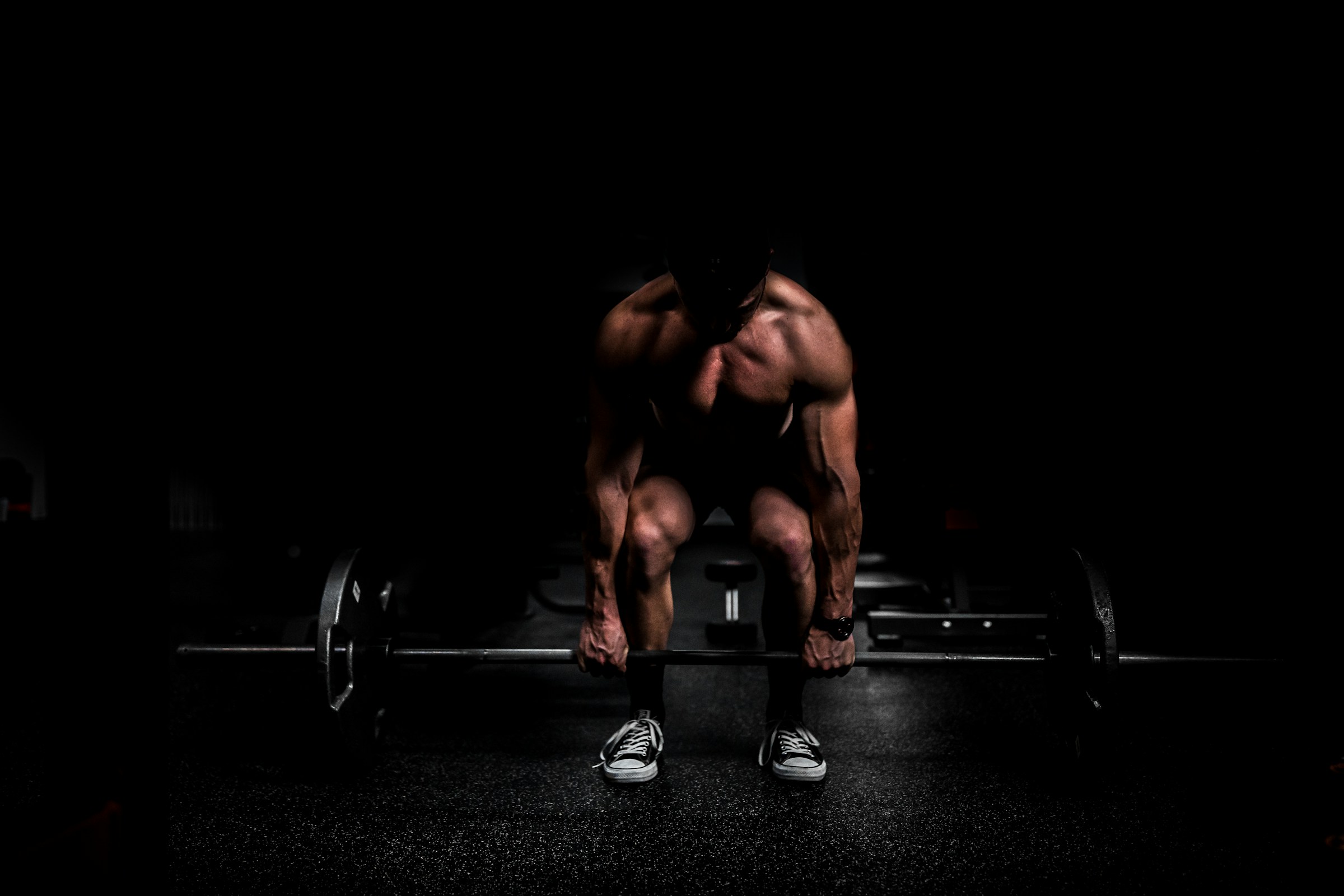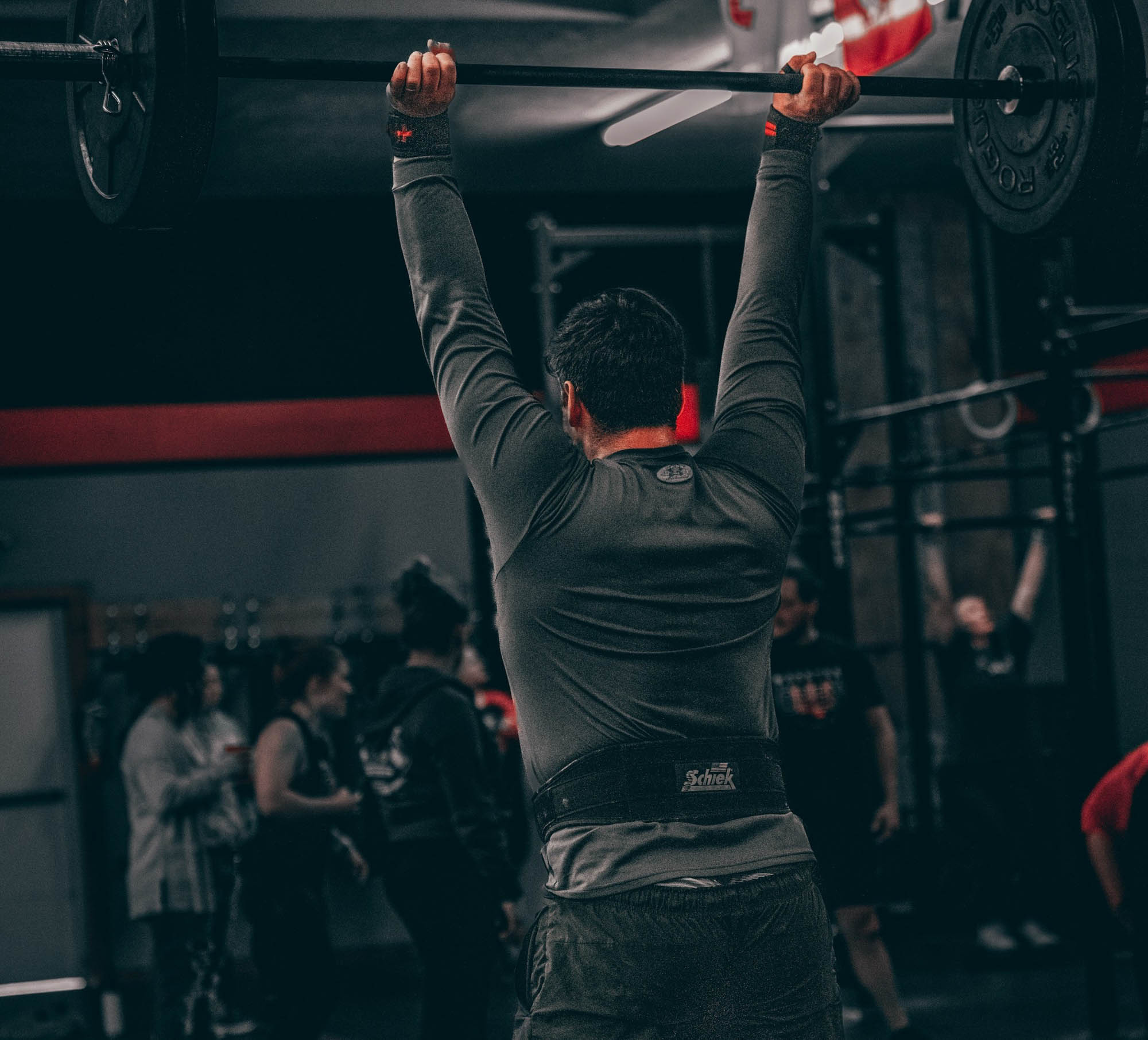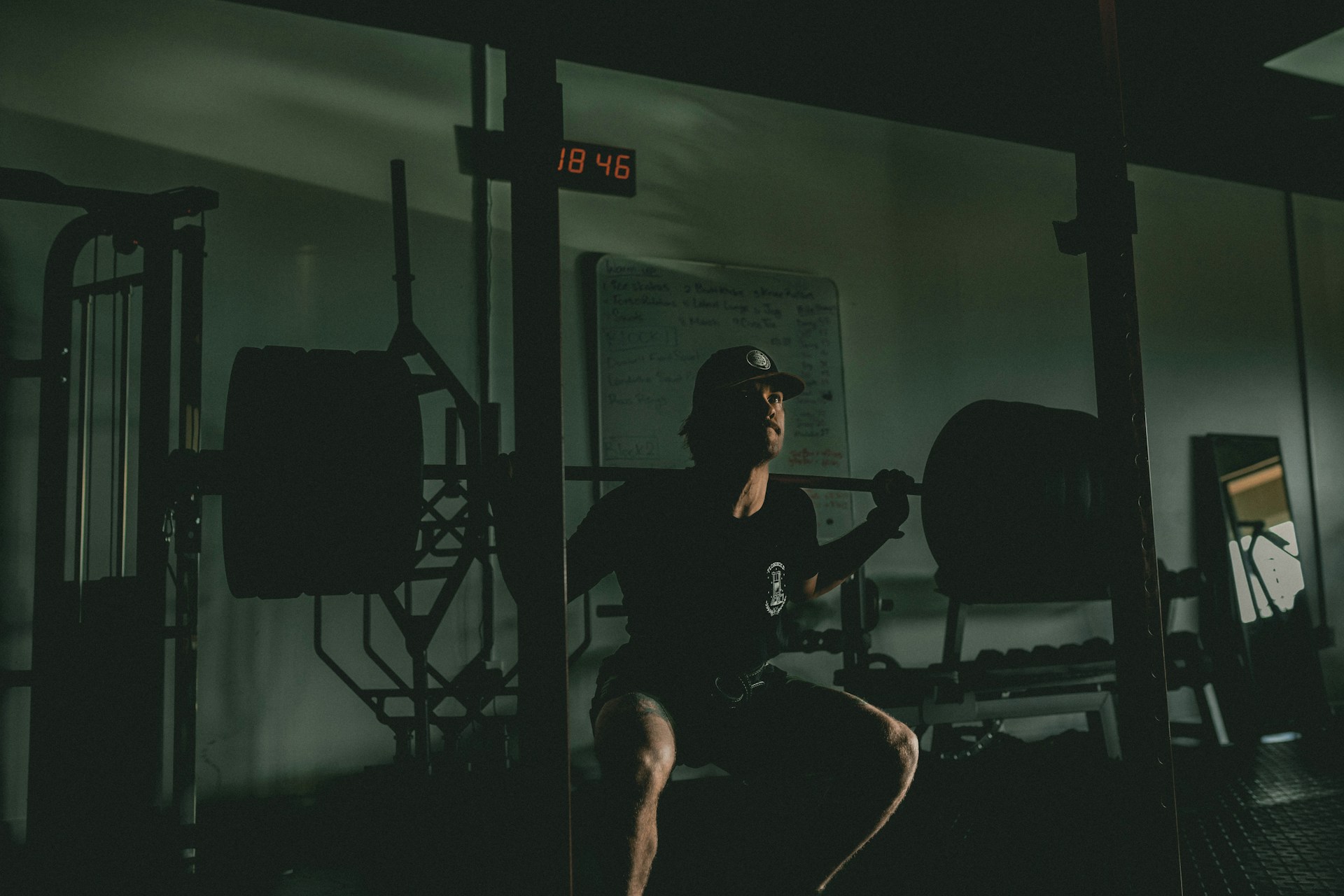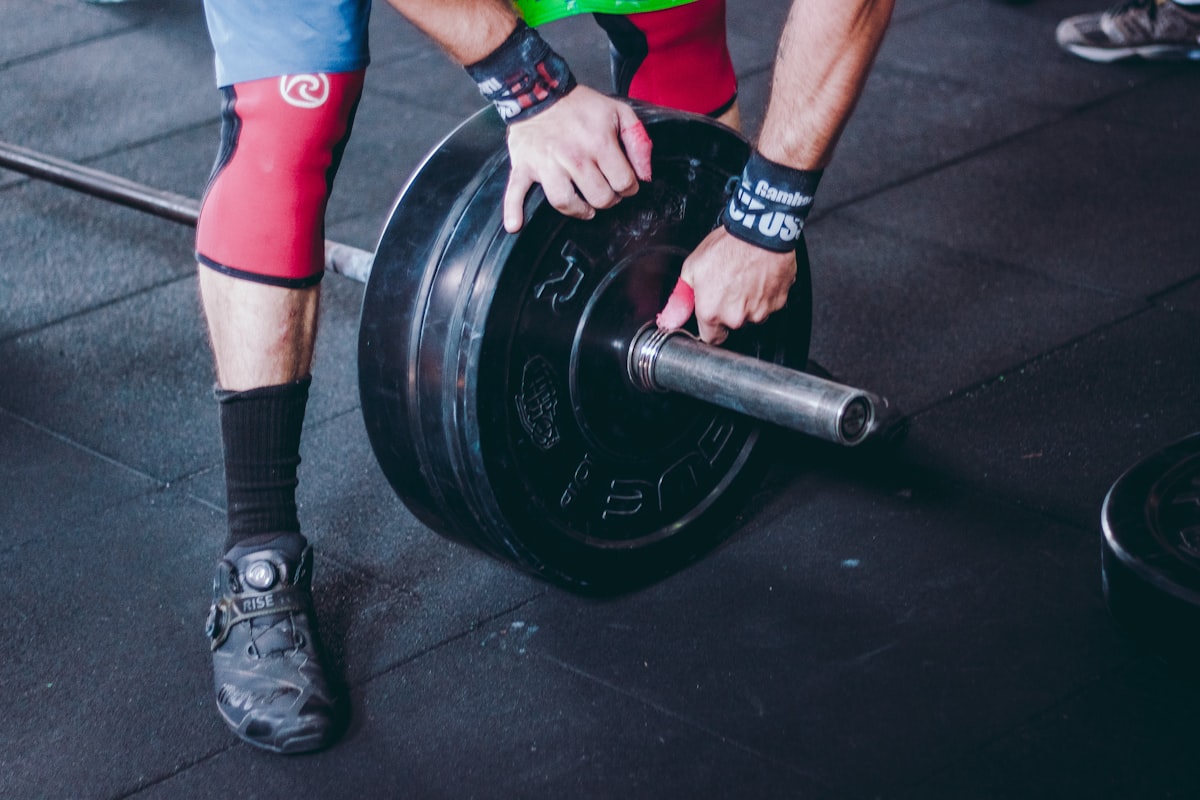
There's a specific moment when you realise CrossFit® isn't just about "suffering through workouts". It's when the coach writes "power clean" on the whiteboard and you understand that lifting a barbell from the floor to your shoulders isn't about brute strength — it's an act of explosive coordination that demands timing, position and a solid dose of trust in the movement. The power clean is arguably the most common Olympic lift in CrossFit® programming, and for good reason: it builds power like few other exercises in existence.
Table of contents
What is the power clean (and how it differs from the full clean)
The power clean is an Olympic weightlifting movement where the barbell travels from the floor to the front rack position — shoulders, collarbones, elbows high — with a catch above parallel. The difference with the squat clean? In the full clean, you drop into a full squat to receive the bar. In the power clean, the catch happens with only a partial knee bend, hips staying above the knees.
This makes it a more accessible movement for beginners, but no less technical. The power clean develops explosive power, coordination and reaction speed — qualities that transfer directly into WODs, competitions and everyday life. The CrossFit® methodology classifies it as a foundational movement, and it appears constantly in programming at every level.
If you've already worked on the deadlift and the back squat, you already have a solid base. The power clean takes elements from both and fuses them into a single, explosive movement that demands millimetre precision.
The three phases of the movement
The power clean isn't a "pull hard and hope for the best" kind of lift. It's a structured movement broken into three precise phases, each with a specific role.
First pull: from floor to knees
Setup: feet hip-width apart, grip just outside the knees, shoulders over or slightly in front of the barbell. Back rigid, chest open, core engaged. The first pull is slow and controlled — you're positioning the barbell, not accelerating it yet. Your back angle doesn't change. Legs push the floor away, the bar travels up along the shins.
Second pull: the explosion
This is where it all happens. As the barbell passes the knees, the torso straightens, the hips extend violently forward and upward — like a jump. This is the triple extension: ankles, knees and hips opening simultaneously. The bar accelerates. Arms stay straight, acting as cables — they don't pull, they transmit the force generated by the legs and hips.
Catch in front rack
The barbell flies. Now you need to get under it, rotate the elbows quickly and receive it on your shoulders in the front rack position, with a slight knee bend to absorb the load. Elbows must drive high and forward — if they stay low, the bar slides off. Core braced, torso vertical. A proper warm-up with mobility work on wrists and lats makes the difference between a clean catch and a lost battle.
Progressions: from PVC to loaded barbell
As with any Olympic lift, rushing is the worst enemy. Here's the progression that works:
- PVC or empty barbell — learn the positions: setup, mid-thigh, extension, front rack. Repeat until boredom. It's tedious but it's what separates people who progress fast from those who get stuck
- Hang power clean — start from the hang position (bar at mid-thigh) to isolate the second pull and the catch. Removes the complexity of the first pull from the floor
- Power clean from the floor — once hang cleans and positions are solid, add the first pull. Start with light loads, 40-50% of your estimated 1RM
- Complexes — 1 deadlift + 1 hang power clean + 1 power clean from the floor. Great for automating the transitions between phases
Hip mobility and wrist mobility are essential for a good front rack position. If your elbows won't come up, it's not a strength problem — it's a mobility issue that needs to be addressed upstream.
The mistakes we see every day
After hundreds of hours of coaching and practice, certain patterns repeat themselves systematically:
- Pulling with the arms too early — arms bend before full hip extension. Result: you lose all the power from your legs. The most effective cue: "long arms until the explosion"
- Jumping forward — if your feet land 20 cm further forward, the bar is getting away from you. Your hip extension is probably horizontal (leaning) instead of vertical (jumping up)
- Catching with low elbows — the bar crashes forward, wrists suffer, the load becomes unmanageable. Drill: front rack holds with a loaded barbell, 20-30 seconds, focusing on keeping elbows as high as possible
- Rushing off the floor — the first pull starts at full speed, shoulders shift behind the bar too early, and the timing of the second pull is compromised. The power clean starts slow. Always
- Avoiding hip contact — the barbell should brush the thighs during the second pull. If there's space between you and the bar, you're losing force transfer. It's not a bump — it's a guided contact
The power clean is one of those movements you never stop refining. Even athletes competing at the CrossFit® Games work regularly on positions and timing. The difference comes from the quality of reps, not the quantity — 3-5 technical reps beat 15 sloppy ones, every single time. A structured programme integrates Olympic lifting work with logical progression, building week after week. The day the clean "clicks" — bar flying, elbows spinning, feet landing in the right spot — you'll understand why this movement sits at the centre of everything.