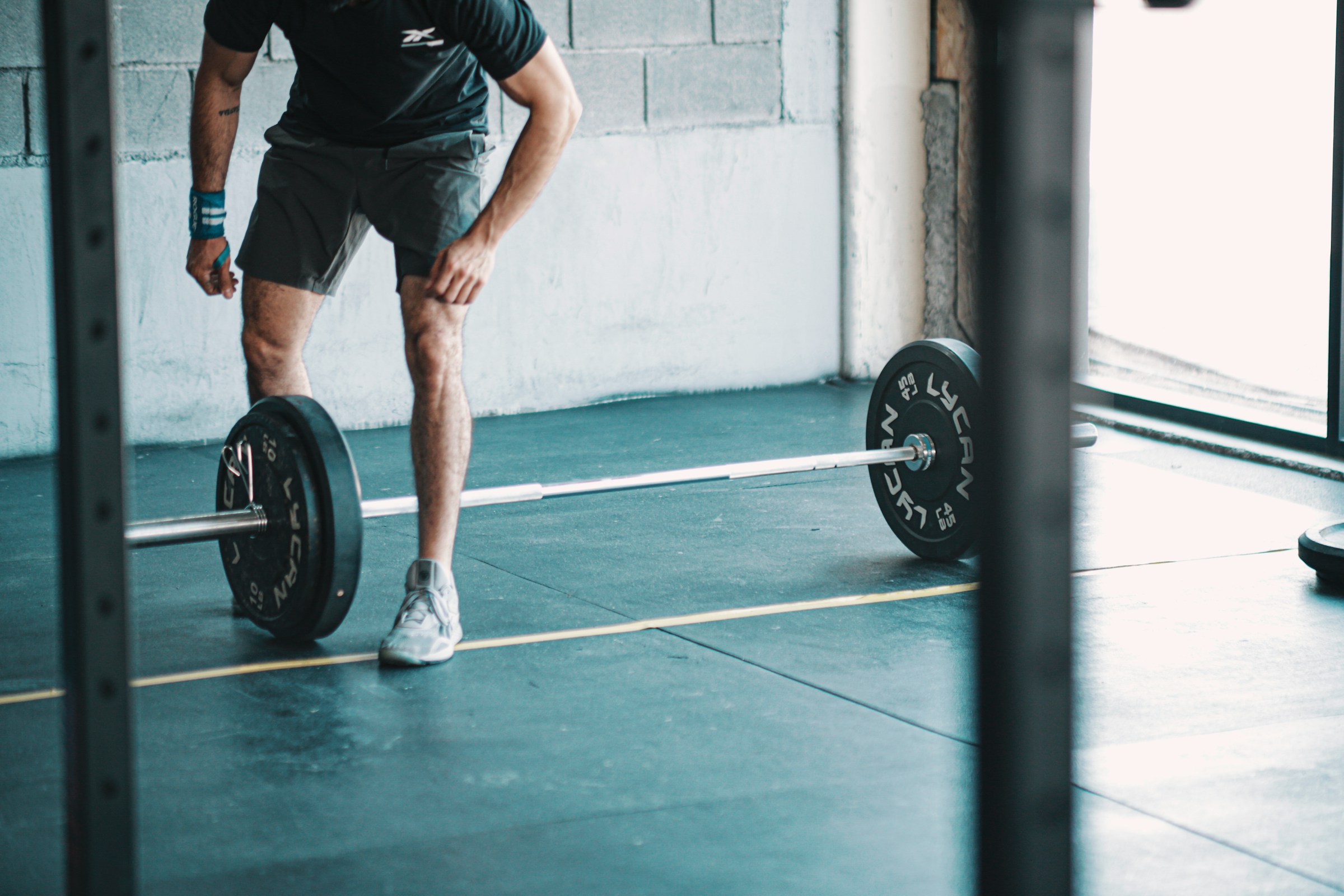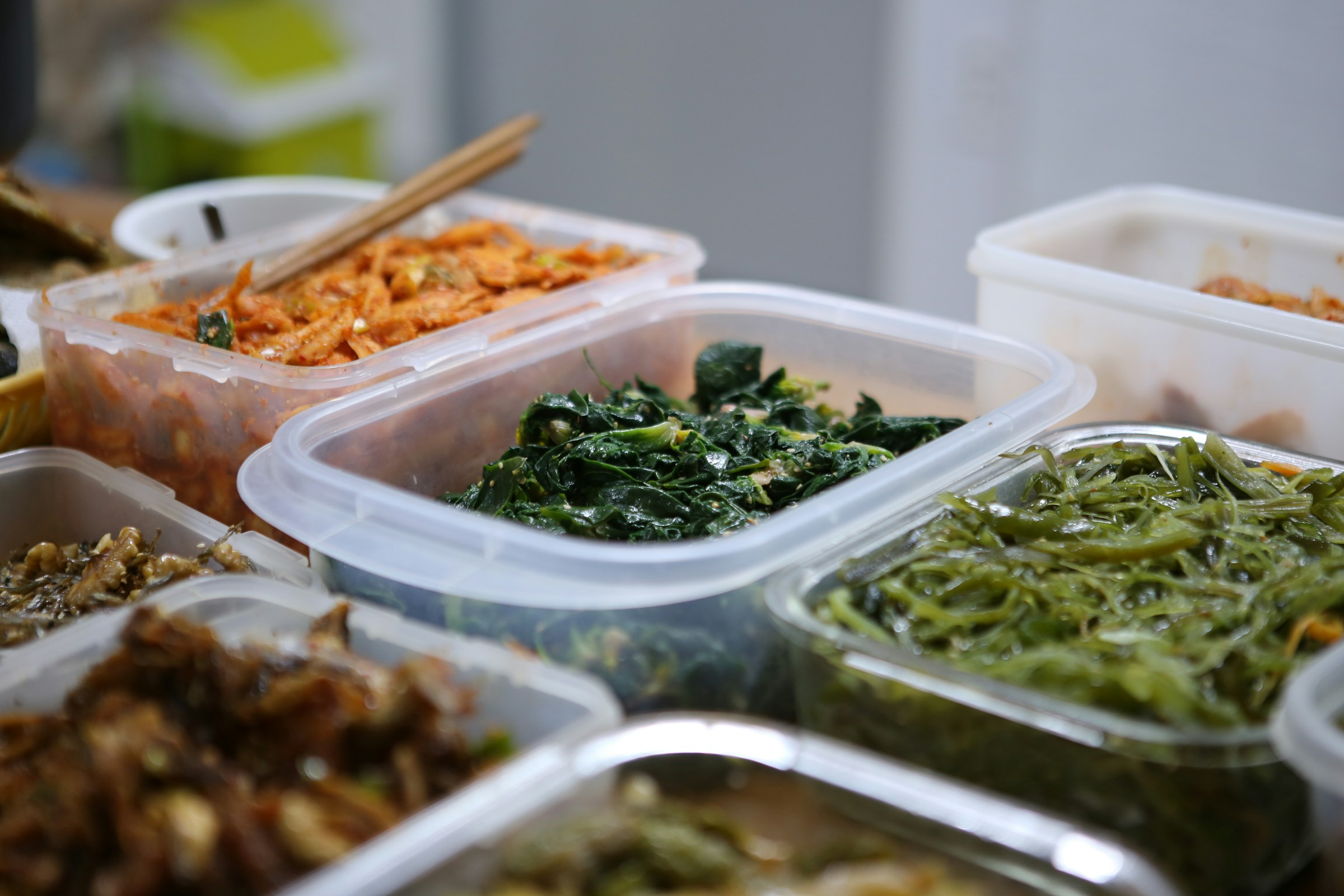
You just crushed a brutal WOD. You're lying on the floor, heart pounding, and the only thing on your mind is the shower. Then comes the question we all ask at least once: "Should I eat right away or can I wait?" And before the workout? Was that banana you scarfed down in the car enough? Nutrition around training is one of the most debated — and most confused — topics in functional fitness. Yet what you put on your plate before and after your session can be the difference between a PR and a flat workout.
Table of contents
Why workout nutrition matters
Let's be real: the body doesn't run on empty. An engine without fuel doesn't work, and our bodies follow the same logic. During an intense WOD — whether it's a chipper with thrusters, a 20-minute AMRAP or a heavy strength session — the body burns muscle glycogen, tears muscle fibres and loses electrolytes through sweat.
Peri-workout nutrition (before, during, after) has a simple goal: make sure there's fuel to perform and raw material to rebuild. It's not about chasing the perfect meal, but about not starting empty or delaying recovery out of laziness.
A study published on PubMed showed that consuming carbohydrates and protein around training improves muscle protein synthesis by 25% compared to eating the same amounts at random times. It's not magic — it's biochemistry.
What to eat before training
The pre-workout meal depends on one thing: how much time you have before the session. The rules change based on your available window.
2-3 hours before
If you have the time, this is ideal. A complete meal with complex carbs, a protein source and minimal fat. Carbs fill up glycogen stores, protein sets the stage for rebuilding, and keeping fats low avoids slow digestion that weighs you down.
- Rice + grilled chicken + vegetables
- Whole wheat pasta with tuna and tomato sauce
- Porridge with banana and a bit of peanut butter
60-90 minutes before
Here you need something lighter and easier to digest. Simple carbs with a small amount of protein.
- Toast with jam and a boiled egg
- Greek yogurt with honey and oats
- Banana with a handful of almonds
30 minutes before (emergency)
Sometimes life doesn't cooperate and you show up at the box on an empty stomach. In that case, go for something quickly absorbed: a banana, a couple of dates, an energy gel. No fibre, no fat — you need fast sugars that hit the bloodstream immediately. It's not the best plan, but it's infinitely better than training on a completely empty stomach.
Fasted training: yes or no?
It depends on intensity. For a light mobility session or low-intensity aerobic work, fasted training is tolerable. But for a high-intensity WOD, heavy deadlifts or a HYROX session? Performance drops, period. Research is clear: high-intensity training in a fasted state leads to decreased power output and muscular endurance. And if training quality drops, results drop with it.
The post workout meal: the window that counts
The famous 30-minute "anabolic window" has been somewhat downsized by modern science. It's not true that muscles stop absorbing nutrients after half an hour. But it is equally true that the sooner you eat after training, the better — especially if you train at high intensity or if your next session is within 24 hours.
Post workout priorities
- Protein — 20-40g to kickstart muscle repair. Whey protein, chicken, fish, eggs, Greek yogurt. The body needs amino acids to rebuild what you destroyed during the WOD
- Carbohydrates — 0.5-0.8g per kg of bodyweight to replenish glycogen. Rice, potatoes, fruit, bread. Those who train twice a day need to refill stores even faster
- Hydration — Water, obviously. If the workout was long and sweaty, add electrolytes (sodium, potassium, magnesium). A good indicator: urine colour should return to light within an hour after the workout
Post workout meal examples
- Protein shake with banana and milk (right after — convenient and fast)
- Rice with salmon and avocado (full meal within 1-2 hours)
- Sweet potatoes with scrambled eggs and spinach
- Bowl with quinoa, chicken, vegetables and hummus
The most important thing? Eat. It sounds obvious, but the number of people who leave the box and skip the post workout meal "because they're not hungry" is staggering. The body under stress suppresses appetite — that doesn't mean it doesn't need fuel. If you can't eat solid food, a shake is already a great start.
The mistakes sabotaging your results
Training well and eating poorly is like building a house on weak foundations. Here are the most common mistakes we see in the community:
- Skipping the pre-workout meal — "I train better on an empty stomach" is one of the biggest lies we tell ourselves. For short, light sessions, it can work. For high-intensity WODs, the quality of work drops and results drop with it
- Eating too close to the workout — A massive plate of pasta 20 minutes before the session is a recipe for nausea. You need time to digest, otherwise the blood is in your stomach instead of your muscles
- Forgetting protein post workout — Carbs alone aren't enough. Without protein, muscle rebuilding is slowed down. It's like repairing a wall without cement
- Compensating with junk food — "I burned 600 calories, I can eat whatever I want." No. Nutrient quality matters as much as quantity. A fast food meal doesn't provide the amino acids and micronutrients needed for recovery
- Not drinking enough — Even mild dehydration (2% of body weight) reduces performance by 10-20%. Yet many show up at the box already under-hydrated. Drink throughout the day, not just during the WOD
- Obsessing over supplements — BCAAs, creatine, caffeinated pre-workout... they can have their place, but they'll never replace a solid nutritional foundation. Fix the plate first, then consider the supplement
Nutrition doesn't need to become an obsession. You don't need apps, food scales and macros calculated to the gram — unless you're preparing for an advanced-level competition. For most of us, a few simple rules are enough: eat a balanced meal 2-3 hours before, don't skip the post workout meal, drink enough water, and prioritise real food over processed food. Following a structured program for your training is the first step — fuelling that work with the right nutrition is what makes it truly effective. And if you need to understand how sleep and recovery complete the picture, the path to performance is made of many pieces that fit together.